
Share

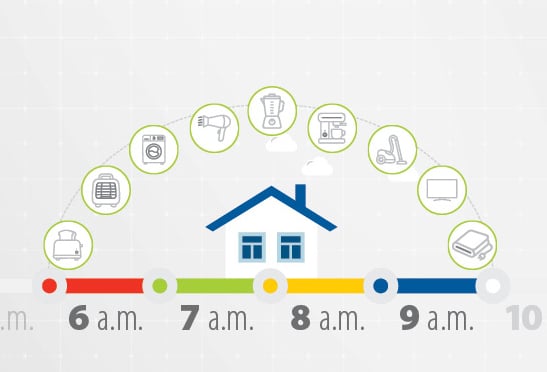
Weather impacts electricity use. When it is hot, air conditioners run full blast to keep people comfortable. Mild temperatures often mean people get outside and likely use less electricity in their homes.
For Wiregrass Electric Cooperative, nothing quite compares to a cold morning when the demand for electricity is at its highest.
Historically, the coldest day of the year — typically between the hours of 6 and 9 a.m. from November through February — is when WEC reaches its highest use, or peak demand. These few frigid hours matter because they are linked to capacity, and the capacity required to generate enough electricity to meet demand impacts wholesale power costs.
Electricity plays a huge role in modern life. Advanced industrial manufacturing, data centers and even the increased use of electric vehicles and other technologies all require power. The added demand, which only seems to keep going up, has changed how generators recoup costs.
Just like Wiregrass Electric members are considered owners of the cooperative, WEC is a member-owner of PowerSouth Energy Cooperative, a generation and transmission cooperative based in Andalusia. Each PowerSouth member, including WEC, has representatives on the board governing the G&T.
WEC and 21 other distribution member systems buy wholesale power from PowerSouth, and PowerSouth charges fees to cover the costs of providing the electricity loads for each system at any given time. Currently, PowerSouth can generate about 2,300 megawatts of electricity. PowerSouth also buys energy from other generators, including nuclear and solar sources, to ensure 24/7 reliability for distribution members.
Peak demand is used to determine what distribution members of PowerSouth need to pay to cover the costs of this reliability.
“Balancing reliability and affordability is a constant battle, but one we have to and will keep fighting,” Wiregrass CEO Brad Kimbro says. “Keeping rates competitive and affordable while emphasizing and focusing on reliability will remain strategic goals for us. Anything different than this direction is simply unacceptable. Our members deserve reliability, and we won’t stop working toward getting that for them at the best price possible.”
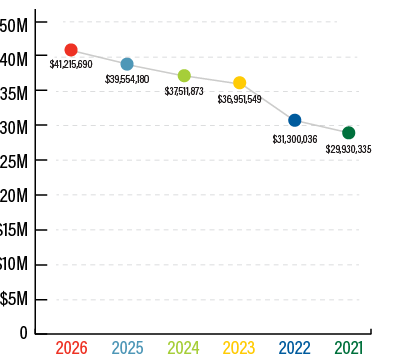
Wiregrass Electric’s wholesale power costs reached $41.2 million for the fiscal year that ended April 30. That’s roughly 62% of the cooperative’s total operating expenses. Demand now determines more than 60% of the cooperative’s wholesale power costs.
There’s no way to know when WEC will hit peak demand. Since 2010, the cooperative has most commonly reached its peak demand in January, although the peak has also been reached in December, February and once in early March. The cooperative even reached peak demand twice in 2022 — first in January and then later that year in December.
Wiregrass Electric sends peak demand alerts to members starting in November. When these alerts go out, it means temperatures are expected to get cold enough to potentially cause peak use for the system. Members are asked to reduce their energy consumption on these days during the hours of 6 to 9 a.m. Members pay a monthly demand rate based on their contribution to the system’s peak demand.
“We work closely with PowerSouth to gauge when possible peak demand events may occur so that we can let members know which mornings they should adjust their behavior and their energy use,” Vice President of Member Services and Business and Community Development Stevie Sauls says. “If our members reduce their energy use from 6 to 9 a.m. on those days, we know it can have a tremendous impact on the system’s overall demand as well as what they may pay on their monthly bills.”
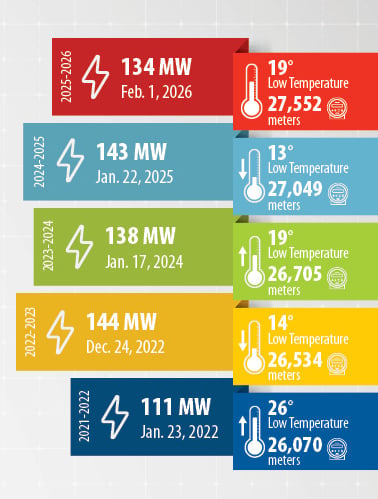
Winter peaks
For Wiregrass Electric, coincidental peak demand historically falls on the coldest day of the year — typically Nov. 1 to Feb. 28 between the hours of 6 and 9 a.m. and resets annually in March based on the peak set in the previous year. The information to the right shows the coincidental peaks for WEC for the last five years by megawatts, date, low temperature and the number of meters on the system at the time peak was set.
Update your info
WEC sends out peak demand alerts based on our members’ account information. Make sure your info is current and that we have a cellphone number on file. Visit wiregrass.coop to manage your account.
Quick Tips
Install a water heater timer to prevent the unit from cycling on and off during peak hours.
Install a programmable thermostat to automatically adjust your home’s temperature during peak hours. Or, manually adjust your thermostat during peak hours so your heating unit doesn’t run as much.
Shift high-energy tasks — laundry, cooking or running the dishwasher — to off-peak hours and stagger tasks throughout the rest of the day.