
Share


Federal aid that helps electric cooperatives repair their systems in the wake of disasters is important for maintaining affordability, said Brad Kimbro, CEO of Wiregrass Electric Cooperative (WEC) in testimony before the Senate Agriculture, Nutrition and Forestry Subcommittee on Rural Development and Energy.
“Responding to a disaster is not just about physical damage,” Kimbro told the subcommittee. “These storms take an emotional toll on our communities and our cooperative employees.”
Kimbro highlighted the impact of Hurricane Michael in 2018, which struck the eastern part of WEC’s service territory, causing around $8 million in damage. He emphasized the vital role of the Rural Utilities Service, or RUS, work plan and the Federal Emergency Management Agency Public Assistance, or FEMA PA, process in financing recovery efforts.
“We are grateful that we were able to work within our RUS work plan to finance recovery efforts and ultimately secure reimbursement through the FEMA PA process,” Kimbro testified. “It is hard to overstate the importance of these programs. Without them, higher electric bills would have placed financial strain on the communities we serve, with our most vulnerable members feeling it the most.”
However, Kimbro pointed out that while these programs are crucial, they often come with significant delays and bureaucratic hurdles, making them less effective in immediate-need situations.
“Securing an RUS electric infrastructure loan requires time and extensive paperwork,” he said. “An electric utility focused on response and recovery after a hurricane or other severe weather event needs access to capital quickly. For this reason, obtaining a new RUS electric infrastructure loan for rebuilding is not an option."
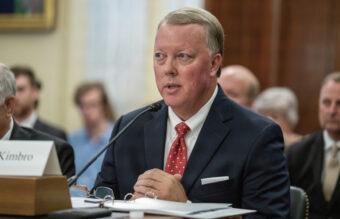
Kimbro also addressed the challenges associated with FEMA’s disaster relief aid, citing some co-ops’ lengthy delays in receiving assistance. He noted that some co-ops in Alabama and Florida have waited years for reimbursement after hurricanes or storms, which forces them to take out large loans or draw down on lines of credit to cover recovery costs.
“It is a major issue of concern for those co-ops, particularly when they are required to take out large loans or draw down on lines of credit to cover the immediate costs of recovery to return their communities’ and residents’ lives back to normal as quickly as possible,” Kimbro said. “When electric cooperatives must borrow to cover these recovery costs until reimbursement is made, it means potentially years of accumulating interest, the cost of which is borne by the cooperative consumer-members.”
Kimbro urged senators to support the FEMA Loan Interest Payment Relief Act, which would require FEMA to reimburse electric co-ops and local governments for the interest paid on loans to rebuild their systems. He argued that this act would provide much-needed financial relief and help keep rates affordable for cooperative members.
advocate for sensible solutions to the issues facing electric cooperatives,” Kimbro added. “I want to express my gratitude to Chairman Sen. Peter Welch and ranking member Sen. Tommy Tuberville for their commitment to addressing these critical challenges.”