
Share

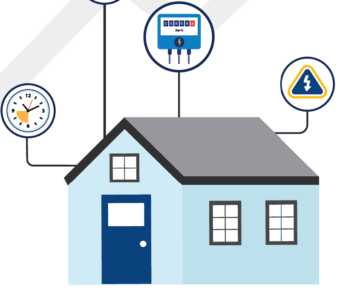 Timing is everything, especially during peak demand.
When capacity and demand began to drive up wholesale power costs, Wiregrass Electric Cooperative had to rethink our own rate structure to recoup energy costs more fairly. In 2024, we moved to a demand rate tied to each household’s usage during peak demand.
With the cost of wholesale power rising steadily since 2021, we knew we would have to revisit rates at some point. In October, we announced the change in our demand rate from $2.50 per kilowatt to $4. We will also continue evaluating the energy rate — a kilowatt per hour charge we reduced by 10.5% last year and have lowered it again, making the cumulative total reduction in energy since we began this new demand rate structure now at approximately 15%.
For WEC, peak demand historically is set on the coldest day of the year between 6 a.m. and 9 a.m. from November through February. Heating homes and businesses, which use a lot of energy, tends to drive our peak, and those morning hours are when members are involved in high-energy activities such as showering and cooking. This causes a spike in the cooperative’s demand and potentially raises costs for everybody.
Your overall monthly cost is based in part on your peak demand and your total energy use. By reducing your electricity usage during peak-demand hours, you can keep your monthly demand rate lower. And with a lower energy rate, you could save money during the year when your usage is not as high.
Unfortunately, we can’t tell you exactly when our peak demand day will happen. We will warn you when weather conditions could lead to possible peak demand times via text alerts, email, social media, and automated phone calls.
Make sure we have your current cellphone number and email address on your account, and use our mobile app to gauge your usage and better understand your household’s energy habits. Small changes to reduce your usage during peak times could make a big difference.