
Share

On a quiet and cold January morning in 1958, downtown Columbia was the scene of a bold bank robbery at the Bank of Columbia. A trio of unmasked “rough-looking” men, later identified as Clarence, John, and Alfred Anglin of Donalsonville, Georgia, entered the bank. Brandishing pistols, they forced a bank clerk to open the vault and cash drawers. Although it wasn’t the first attempt to steal from the Bank of Columbia, it was the first time a robbery had succeeded, and the thieves managed to escape with $19,000 in cash and various pieces of jewelry. In their haste, they overlooked an additional $4,000 that remained untouched in the vault.
“When the Anglin brothers came in, this door was closed but not locked,” says David Hunter, historian for the Columbia Historical Society located inside the historic building where the robbery took place. “They put a gun in Mr. Williams’ face and demanded he open the door.”
The walls are thick, and the vault was 10-by-10.5 feet, he says. Inside, was a massive “cannonball safe” sitting on the floor. The vault’s security measures included a burglar alarm system designed to trigger if anyone attempted to cut into it with an acetylene torch.
“These wires here were high-tech stuff back then,” Hunter says. “If anyone cut these wires, a spring-loaded mechanism would release chemical warfare gas as a deterrent.”
The bank robbery and the subsequent arrest of the brothers, already fugitives from Florida at the time of the heist, captured local newspaper headlines in the days and weeks that followed. Though an interesting and perhaps unusual crime at the time, it wasn’t the bank robbery itself that was especially unique. What has etched the Bank of Columbia building and the tale of the robbery into the annals of time was the stories of 2 of the robbers: Clarence and John Anglin pulled off a dramatic escape from Alcatraz prison in 1962.
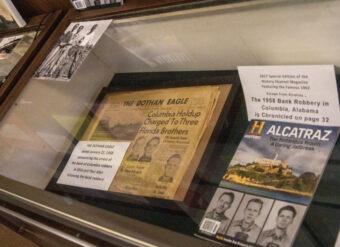
Witnesses to the Columbia Bank robbery helped FBI agents track down the brothers in Hamilton, Ohio, 5 days later. Most of the stolen cash and valuables were recovered. The brothers had a history of small-scale burglaries and robberies. They pleaded guilty to federal charges in an Alabama courthouse and were sentenced to lengthy prison terms. Following several escape attempts, John and Clarence Anglin were transferred to Alcatraz, the most secure federal prison at the time.
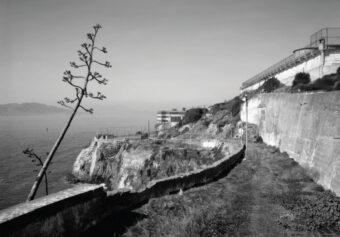
Alcatraz, located on an isolated island in San Francisco Bay, was known for housing some of America’s most notorious criminals. In 1962, the 2 men, along with fellow inmate Frank Morris, executed 1 of the most famous prison escapes in history. Using plaster dummies as decoys, makeshift tools and a raft crafted from raincoats, they disappeared into the cold waters of the bay, never to be seen again. Their fate remains a mystery, inspiring speculation and intrigue over the years. Their daring escape was even dramatized in the 1969 Clint Eastwood movie “Escape from Alcatraz.”
The Bank of Columbia, which served the community from 1912 to 1977, still stands as a museum maintained by the Columbia Historical Society. Earlier this year, the bank was officially listed on the National Register of Historic Places, honoring not just its architectural integrity, but also its role in a gripping narrative of crime, punishment and escape.
“It’s certainly an accomplishment,” Hunter says.
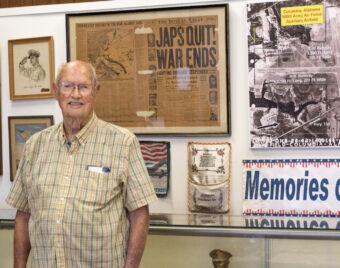
The Columbia Historical Society maintains the museum and holds events to raise money to help preserve and celebrate the history of the town and its residents.
“We have about 5 different displays at the time here,” says Elliot Whitton, past president of the Columbia Historical Society. He maintains a collection of World War II memorabilia and artifacts in the museum. Many carry with them the stories of local heroes. 1 particularly poignant story involves a principal who survived a plane crash and subsequent internment as a prisoner in a German concentration camp. These tales and his own memories of rationing and bond drives and a community united in patriotism, deserve to be remembered, Whitton says.
Recently, the Columbia Historical Society secured an Educational Trust Fund Grant from the Alabama Historical Commission to repair the sides of the brick building, damaged when an adjacent building was torn down. As part of the group’s mission, Hunter writes a quarterly newsletter to disseminate these stories and more to its members who live throughout the U.S. and the Philippines.
With its inclusion on the National Register of Historic Places, the bank’s story will continue to be preserved for future generations as a lasting reminder of a small town’s significant big history.
Today, visitors can still see the cannonball safe at People’s South Bank down the road or visit the vault inside the Columbia Historical Society Museum and imagine the tension of that fateful day in 1958.