

Home>Alabama Living>Tune Into Electrical Safety
Share

Tune Into Electrical Safety

Electricity — Great for the Lightbulb, Not for the Human Body

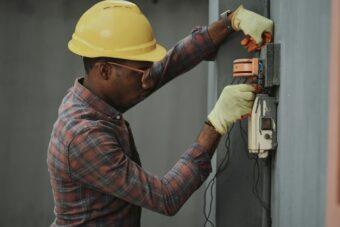
A man in a hard hat and safety glasses is diligently working on an electrical box, ensuring safety and efficiency.

Spring showers have passed, but June ushers in the Atlantic hurricane season and with it, a high probability of severe weather that can cause outages and downed power lines. It’s important to know how to stay safe during these events. Electrical accidents can cause burns, shocks, and, without proper safety precautions, electrocution. In recognizing these increased threats, we’ve compiled a chorus of tips to keep you safe.

Can’t Touch This: Downed Power Line Safety Tips

Overhead power lines carry more than 500,000 volts. Touching a downed power line creates a path for electricity to reach the ground through your body, causing life-threatening injuries or death.

Do:

  • Do call 911 immediately to report a fallen power line.
  • Do report any sagging or downed lines to your electric cooperative.
  • Do keep a distance of 100 feet, the length of 2 semi-trucks.
  • Do warn other people and try to keep them away.

Don't:

  • Don't attempt to move or touch the line with any object.
  • Don't touch anything or anyone in contact with a downed line.
  • Don't let children or pets near a fallen electric line.
  • Don't drive over a downed line.

Should a power line fall near your vehicle, remain inside. The ground around your car may be electrified. Contact emergency services, and use your vehicle’s horn or shout to keep bystanders at bay. If a fire begins, jump out without touching the vehicle and shuffle away, keeping your feet together.

We Didn’t Start the Fire: Generator Safety Tip

Generators provide a backup power source to help you keep essential household appliances and systems running during an outage. Used improperly, they pose hazards such as carbon monoxide poisoning from toxic engine exhaust, electrocution, and fire. Follow the directions supplied with the generator when setting it up, and follow these guidelines:

  • Operate generators outdoors only, positioned at least 20 feet away from any doors, windows, or vents.
  • Never run a generator inside homes, garages, or semienclosed areas.
  • Connect your generator to household circuits via a transfer switch to prevent back-feeding dangers to utility workers.
  • Ground your generator properly, and use it with a ground-fault circuit interrupter.
  • Opt for extension cords that are appropriately rated for the load and feature 3-pronged plugs.
  • Avoid connecting multiple appliances to a generator through a power strip, as this can create a fire risk.